
Insights
An Interview with Önder Sezer on Electronic Patient Referral: Shaping the Future of e-Referral Systems
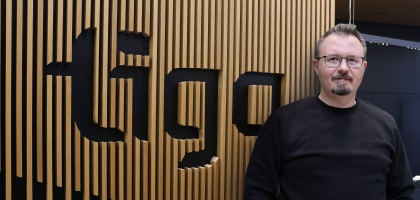
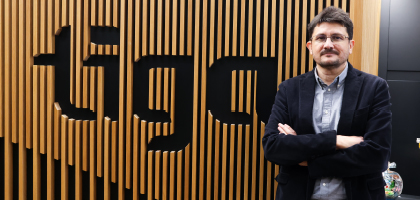
We interviewed Önder Sezer, our Principal Software Architect, to explore how national electronic referral (e-referral) systems solve the challenges in traditional healthcare referral processes. Sezer expressed that these systems eliminate data disruptions and delays in traditional referrals by digitizing patient care end-to-end. He emphasized that Tiga Healthcare Technologies’ AI-powered e-Referral System ensures seamless collaboration among healthcare providers and reduces patients’ no-show.
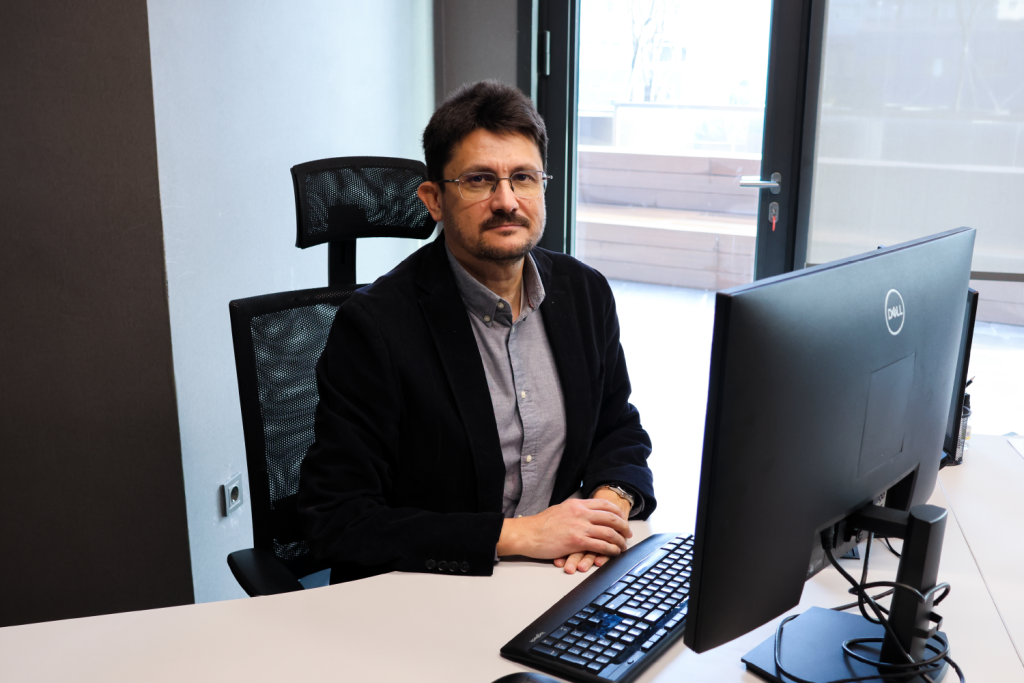
Here’s the interview:
1. Firstly, could you explain the importance of structured and real-time data in healthcare referrals?
Structured and real-time data are absolutely fundamental to effective healthcare referrals. Traditional referral processes rely heavily on manual workflows, leading to delays, lost information, and gaps in care continuity. Structured data ensures every referral contains standardized, discrete fields like clinical indications, diagnoses, and relevant test results that both systems and clinicians can immediately interpret. This eliminates the guesswork and administrative burden of chasing missing information.
The real-time element is equally critical because healthcare is time-sensitive. When a referring provider sends a referral, the receiving specialist needs immediate visibility to triage appropriately and prioritize urgent cases. Together, structured and real-time data dramatically reduce what we call ‘referral leakage’, which refers to patients who never complete their referral journey due to process failures. At national scale, this becomes even more important when care across hundreds of facilities is coordinated. That’s exactly where Tiga Healthcare Technologies has focused on our platform, ensuring data flows intelligently and immediately to where it needs to go.
2. What are the biggest challenges in traditional referral processes? How do data-driven e-referral systems address these challenges?
The biggest challenges in traditional referrals come down to fragmentation, lack of visibility, and manual processes. Referrals sent via manually often contain incomplete clinical information, forcing receiving providers to spend valuable time chasing missing details. There is no reliable way to track whether a referral was received, accepted, or if the patient actually completed their appointment, creating dangerous gaps in care continuity.
Data-driven e-referral systems address these challenges head-on. They enforce completeness at the point of referral, ensuring all necessary clinical and administrative information is captured before submission. Status tracking provides full transparency into referral progress for both sending and receiving providers. Intelligent routing directs referrals to the most appropriate specialist based on clinical criteria, availability, and patient preferences. Analytics dashboards help health systems identify bottlenecks and measure completion rates across their network. At Tiga, we’ve designed our platform specifically to transform referrals from an administrative headache into a streamlined, measurable care coordination tool.
3. How does Tiga Healthcare Technologies’ e-Referral System increase the efficiency of patient transition?
Our e-Referral System streamlines patient transitions by eliminating manual handoffs that traditionally slow everything down. The moment a referral is initiated, all relevant clinical documentation, patient demographics, and insurance information flows automatically to the receiving provider; no duplicate data entry required. Our intelligent routing engine matches patients to the most appropriate specialist based on clinical needs, location, and availability, reducing wait times significantly. We've also integrated AI-powered recommendation features that help clinicians identify optimal care pathways and specialist matches based on patient profiles and historical outcomes.
Automated notifications keep everyone informed; referring providers know exactly when their patient has been scheduled, and patients receive reminders to reduce no-shows. The platform enables two-way communication, so specialists can request additional information or send consultation notes back without leaving the system. For health system administrators, our analytics provide clear visibility into referral volumes, turnaround times, and completion rates across the entire network. Ultimately, we've compressed what used to take days or weeks of administrative coordination into a seamless digital workflow that keeps the focus where it belongs—on patient care.
4. How does this data-driven e-Referral System improve clinical decision-making and reduce delays in patient care compared to traditional methods?
Our data-driven e-Referral System fundamentally transforms clinical decision-making by putting comprehensive, actionable information at clinicians' fingertips exactly when they need it. Unlike traditional methods where providers work with fragmented data, our platform aggregates the complete patient picture through bi-directional integration with healthcare providers' Electronic Medical Record (EMR) systems. This means referring physicians can access patient histories, lab results, and imaging directly within their existing workflow, while receiving specialists get the full clinical context without any manual data retrieval.
Our AI features play a crucial role here; patient data is analyzed to recommend appropriate specialists, high-risk cases for urgent attention are flagged, and optimal care pathways are suggested based on clinical evidence and outcomes data. This intelligence helps clinicians make faster, more informed referral decisions rather than relying solely on institutional knowledge or availability. The EMR integration also ensures that consultation notes and treatment plans flow back to the referring provider automatically, closing the communication loop that often breaks down in traditional processes. Clinicians spend less time on paperwork and more time on actual patient care, resulting in faster time-to-treatment and improved outcomes across the entire care continuum.
5. Why is this system’s integration capability with other systems like Personal Health Record (PHR) and e-Appointment important for overall healthcare coordination?
Integration capability is the backbone of effective healthcare coordination because patient care doesn't happen in silos. When our e-Referral System connects seamlessly with Personal Health Record, patients become active participants in their care journey; they can view referral status, access preparation instructions, and share relevant health information directly with their care team. This patient engagement reduces miscommunication and empowers individuals to take ownership of their health outcomes.
Integration with e-Appointment System is equally vital because a referral without a scheduled appointment is just a piece of paper. Our platform automatically triggers appointment scheduling workflows once a referral is accepted, dramatically reducing the gap between referral and actual care delivery. Patients receive immediate booking options based on availability, eliminating the back-and-forth phone calls that delay treatment. From a health system perspective, these integrations create a unified digital ecosystem where data flows continuously across the care continuum. Administrators gain end-to-end visibility from referral initiation through appointment completion and follow-up. At Tiga Healthcare Technologies, we've built our platform with open architecture specifically to enable these integrations, recognizing that true healthcare transformation requires all systems working together harmoniously.
6. In your opinion, which trends and technologies will significantly improve e-referral systems in the future?
I believe Artificial Intelligence (AI) and Large Language Models (LLMs) will be the most transformative technologies for e-referral systems in the coming years. LLMs will revolutionize how physicians interact with referral platforms; imagine clinicians simply describing a case in natural language and having the system automatically generate complete, structured referrals with appropriate specialist recommendations. For patients, AI-powered assistants will provide personalized guidance throughout their referral journey, answering questions, explaining procedures, and ensuring they understand the next steps in plain language.
AI agents will take this further by autonomously handling complex referral workflows, monitoring referral status, following up with patients who miss appointments, coordinating between multiple specialists, and escalating urgent cases without human intervention. These agents will act as tireless care coordinators working around the clock. Predictive analytics will become increasingly sophisticated, identifying at-risk patients before issues arise and proactively intervening. We'll also see AI models that optimize referral networks and reduce wait times across entire health systems. Voice-enabled interfaces and ambient documentation will further reduce documentation burden, allowing clinicians to focus entirely on the patient. At Tiga Healthcare Technologies, we're already investing heavily in these AI capabilities because we believe the future of healthcare coordination lies in intelligent systems that augment clinical decision-making while simplifying the experience for everyone involved
Key Points of the Interview
- Structured and Real-Time Data: Manual workflows often lead to referral leakage due to lack of structured, real-time data and standardized communication between healthcare providers. E-referral systems address these challenges by providing structured, real-time data and streamlining information exchange. These systems transform patient referrals from an administrative burden into an efficient and measurable coordination process.
- Integrated Healthcare Ecosystem: National e-referral systems can be integrated with EMRs and other digital health solutions to ensure that patient information flows seamlessly. This level of interoperability helps maintain patient engagement and bridges communication gaps between primary and secondary care levels.
- AI-Driven Future of Coordination: AI and LLMs are set to change physicians’ interaction with referral platforms. LLMs enable the automated generation of structured, context-aware referrals, while AI agents manage complex referral workflows, making healthcare coordination more proactive and efficient.
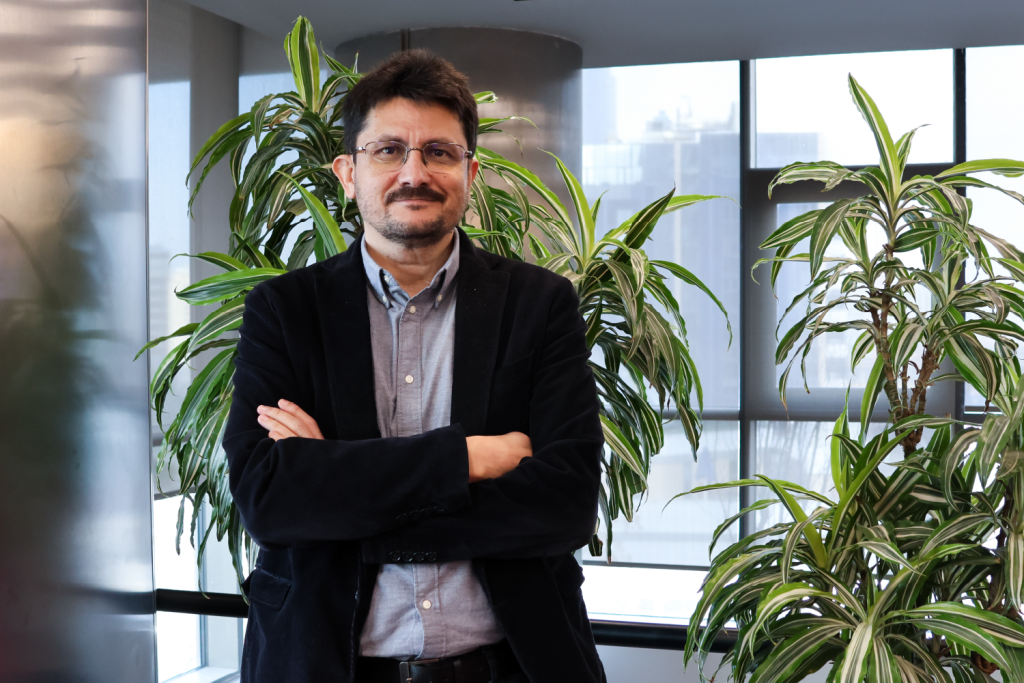
This insightful interview with Önder Sezer highlights the ability of national e-referral systems to transform fragmented and manual coordination into a seamless and efficient workflow. Tiga Healthcare Technologies’ e-Referral bridges the gaps in care continuity and reduces patient wait times by prioritizing real-time data. Sezer’s responses show that data-driven platforms like our e-Referral reduce administrative workload and ensure that patients receive the right care at the right time.
Let’s shape the future together, as always!