
Insights
An Interview with Zehra Alan on Human-Centered Organizational Culture: Shaping the Future of Human Resources Strategies in Health IT
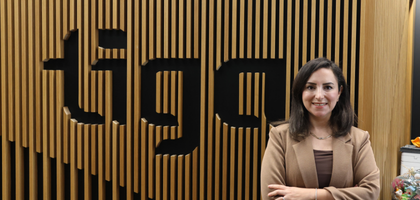
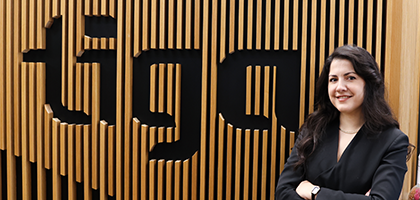
We interviewed Zehra Alan, our Human Resources Director, to gain insights into human resources strategies for workplace improvement and talent acquisition within the digital health industry. Alan emphasized the vital importance of adopting forward-thinking and human-centered approaches.
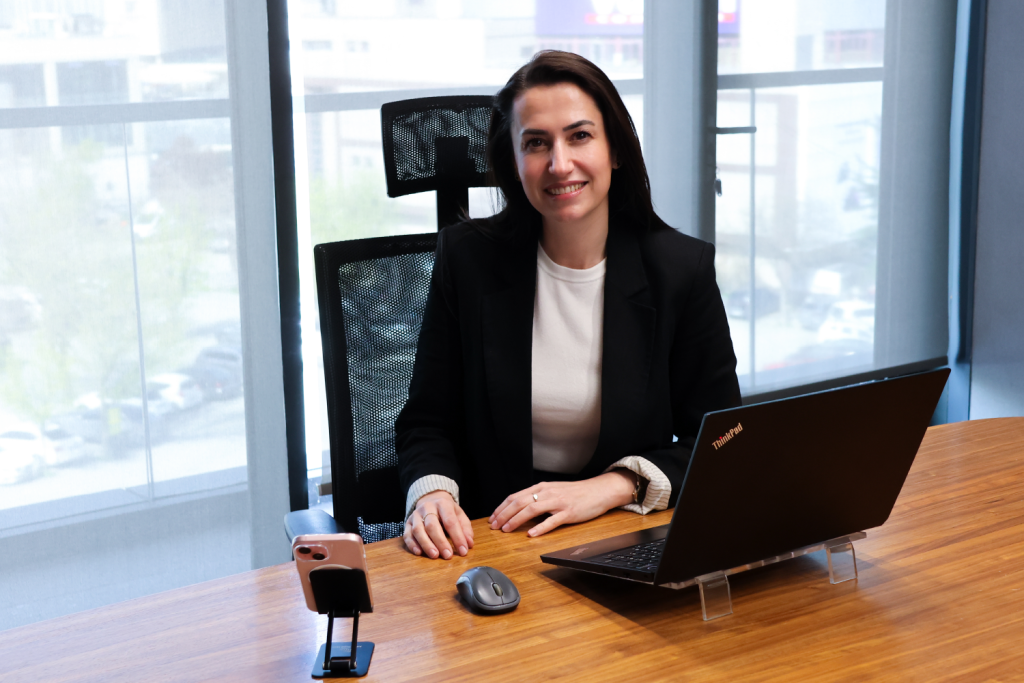
Here’s the interview:
1. How do Tiga Healthcare Technologies’ patient-centered approach and values reflect on its workplace culture?
For us, patient-centricity is not merely a discourse; it is a fundamental decision-making reflex. Knowing that every solution we developed ultimately touches different lives significantly increases team motivation. This naturally fosters a work culture that is more careful, empathetic, and responsible. Our internal approach is a direct reflection of this. We strive to extend the same attention to our colleagues as we do for the user.
2. How do you maintain employee loyalty and preserve organizational culture within Tiga’s rapidly expanding global structure?
While growth is positive, we clearly recognize that it also carries the risk of breakup. Therefore, transparency and consistent engagement are our most critical priorities. It is essential for our colleagues to have a clear understanding of the company’s trajectory and the rationale behind it. Beyond that, we focus more on embodying our culture rather than just documenting it. For this, it is critical for leaders to be role models. Additionally, we maintain agile structures as much as possible to preserve the small team sense.
3. In your opinion, which human resources strategies are essential for sustainable innovation in healthcare technology?
For innovation to be sustainable, a good idea alone is not enough; it requires the right environment. We focus on three key pillars:
- Attracting individuals who are curious and growth-oriented
- Establishing an environment of trust where calculated risks are encouraged and learning from failure is normalized
- Truly bringing different disciplines together: Healthcare technology is inherently a multidisciplinary field, and innovation accelerates when healthcare professionals and developers speak the same language.
4. What are your primary criteria when prioritizing talent acquisition on a global scale?
Technical competency is certainly important, but it is not sufficient on its own. Within global teams, adaptability and communication style are just as critical as technical knowledge. We place great importance on the question of ‘’Does this person make working together easier or more difficult?’’. Moreover, people who are self-managing and capable of navigating ambiguity are highly valuable for us.
5. What principles do you embrace to ensure effective communication within a multicultural workforce?
The most important thing is avoiding making assumptions. The same word can carry different meanings in different cultures, so clarity is essential for us. We pay attention to writing clearly, speaking openly, and normalizing direct, constructive feedback across all levels. We also specifically encourage over-communication. Excessive communication generally does not cause issues, while lack of communication inevitably does.
6. As digital health solutions are adopted quickly, how do you predict Tiga’s organizational transformation?
Actually, it is not overly complex; we are moving toward a faster and more flexible structure. This is because needs are evolving rapidly. Accordingly, we are establishing a framework which is less layered, capable of more practical decision-making, and can keep pace with this change.
Key Points of the Interview
- Purpose-Driven Culture: In digital health, technical development is driven by well-established reflex to prioritize patient outcomes. This approach supports an internal work culture built on empathy and responsibility, ensuring that every team member understands the impact of systems they developed.
- Multidisciplinary Innovation: Innovation in healthcare IT accelerates when the gap between clinical expertise and technical execution is bridged. By forming an environment where healthcare professionals and developers speak the same language, health organizations can transform diverse expertise into sustainable, high-impact solutions.
- Scalable Agility: Maintaining agile structures and high levels of transparency is essential to manage the risks of rapid growth. Effective self-management and capability of navigating ambiguity are key to sustainable growth and cohesion within global environments.
This enlightening interview with Zehra Alan shows that empathy, sense of responsibility, and transparency are pivotal for sustainable innovation in the digital health industry. These organizational values support an environment of trust for both product users and employees who developed the products.
Let’s shape the future together, as always!