

Insights
An Interview with Sevim Kaya on Business Development in Digital Health: Shaping the Future of Healthcare IT Expansion Strategy
We interviewed Sevim Kaya, our Sales and Business Development Manager, to explore digital health trends transforming business development in the industry. We also discussed the challenges encountered when entering new markets and how to overcome them.
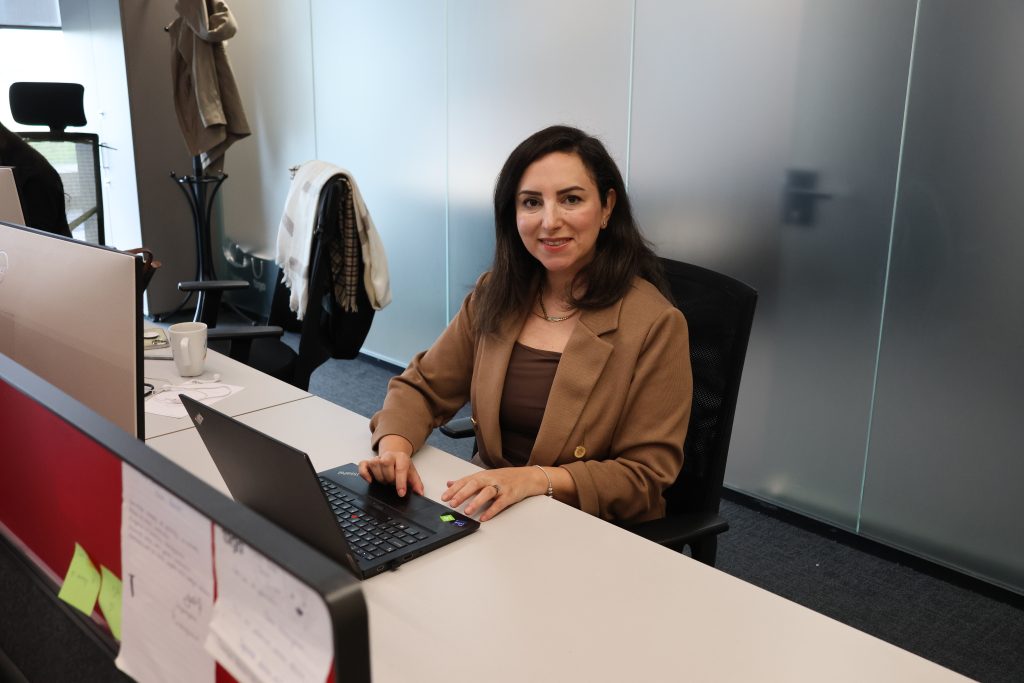
Here’s the interview:
1. What are the most important trends currently shaping business development in the digital health industry, and how are they influencing your strategy?
Digital health is increasingly driven by interoperability, artificial intelligence (AI), patient engagement, and data-driven decision-making. AI and analytics are transforming public health management and operational efficiency. FHIR-based ecosystems are also becoming a global standard for secure health data exchange. At the same time, governments and healthcare providers expect scalable national-level platforms. Patient empowerment through personal health record systems is another major trend, and cybersecurity and trust are now strategic priorities for every healthcare stakeholder. We also see growing demand for personalized and preventive healthcare solutions.
At Tiga Healthcare Technologies, we focus on proven technologies that already process billions of transactions securely. Our strategy aligns with these trends by combining interoperability, security, and patient-centric innovation.
2. What key criteria do you consider when identifying and prioritizing new market opportunities?
We evaluate market opportunities based on healthcare needs, digital maturity, and regulatory readiness. Also, we analyze interoperability requirements and prioritize markets where scalable national healthcare transformation is possible. Strong government vision and institutional collaboration are also critical factors. Local partnerships and operational sustainability are other critical parts of our assessment process. Another important criterion is the need for secure and sustainable health data management.
We look for opportunities where patient engagement can be significantly improved. Additionally, we value markets that require long-term ecosystem development rather than short-term projects. Our experience across multiple countries helps us adapt quickly to different healthcare environments.
3. What are the biggest challenges encountered when entering new markets within the industry? How do you overcome these obstacles?
One of the biggest challenges is adapting to different healthcare regulations and infrastructures, as healthcare systems, data privacy rules, and interoperability standards vary significantly between countries.
Another challenge is aligning multiple stakeholders around a common digital vision. Building trust is especially important in healthcare transformation projects.
At Tiga, we overcome these challenges through proven technologies and long-term collaboration. Our systems are designed in compliance with international standards such as HL7 and FHIR. We also work closely with public authorities and healthcare professionals during implementation. Our experience in national-scale projects, combined with strong local partnerships, helps us manage complexity effectively and support successful market entry.
4. How do you translate complex technical solutions such as FHIR-based systems into clear business value for decision-makers?
We focus on outcomes rather than technical terminology. Decision-makers care about efficiency, patient safety, and sustainability. For example, FHIR-based interoperability enables faster and more accurate clinical decision-making while reducing duplication, operational costs, and data silos. We explain how integrated systems improve care coordination across the healthcare ecosystem.
Another key point is scalability for future healthcare transformation initiatives. Moreover, secure and real-time data exchange directly improves healthcare quality and patient outcomes. We also demonstrate measurable results from large-scale national implementations. Our goal is to translate technology into strategic and operational value for stakeholders.
5. Tiga Healthcare Technologies offers a wide range of solutions, from Health Information Exchange (HIE) Suite to Hospital Information System (HIS). How do you position such a broad portfolio to different stakeholders?
We position our portfolio based on the priorities of each stakeholder group. For ministries of health, we emphasize national interoperability and population health management. For hospitals, we focus on operational efficiency and integrated clinical workflows. For physicians, we highlight accessibility, usability, and better clinical decision support. For patients, we prioritize engagement, transparency, and access to health records.
Our HIE Suite demonstrates seamless interoperability across healthcare systems, while our HIS and clinical solutions improve care delivery and hospital operations. Drug Traceability and Central e-Prescription solutions address safety and compliance needs. AI & Analytics solutions support predictive and data-driven healthcare strategies. Despite the broad portfolio, all our solutions are connected through a patient-centered ecosystem approach.
6. Thinking ahead, what excites you most about Tiga’s future and its role in the global digital health ecosystem?
What excites us most is the opportunity to shape the future of connected healthcare globally. We believe healthcare systems will become more interoperable, intelligent, and patient-centered. Tiga is already contributing to this transformation through large-scale national digital health projects. Our technologies currently support millions of patients and healthcare professionals daily.
We are especially excited about the future of AI-driven healthcare and predictive analytics. Personalized healthcare solutions will also play a much bigger role in the coming years. Another exciting area is the expansion of secure cross-border health data exchange.
We aim to continue building scalable and globally trusted healthcare technologies. Our vision is not only to participate in the ecosystem, but also to help shape its future. We see digital health as a powerful tool to improve lives worldwide.
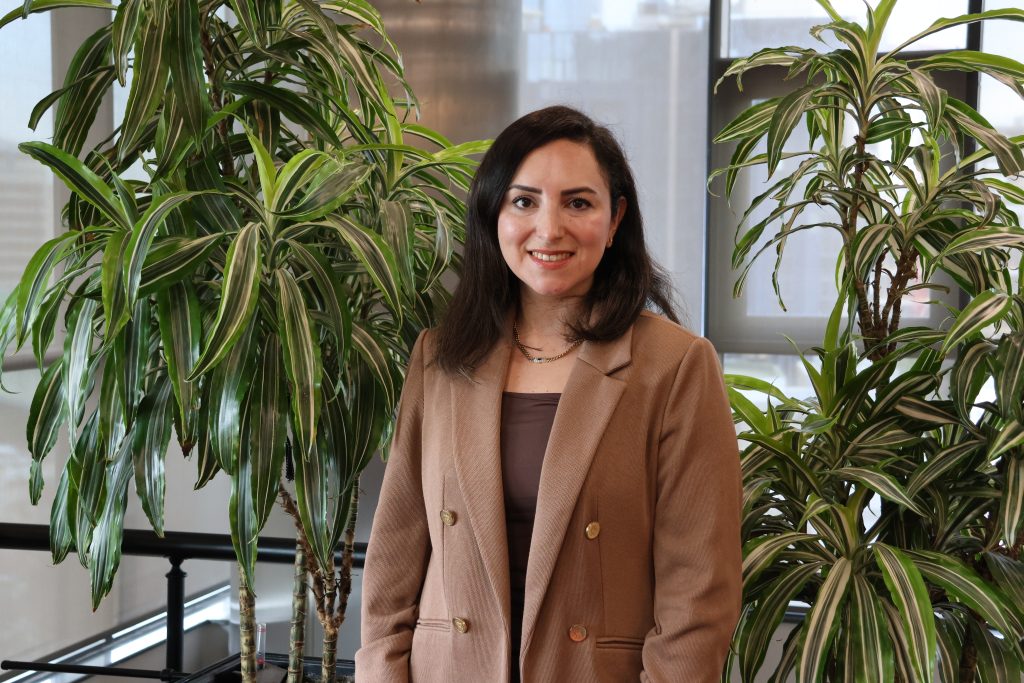
Key Points of the Interview
- Future-Ready Healthcare: The digital health landscape is increasingly shaped by interoperability, AI, and patient engagement. Healthcare organizations look for scalable, secure, and data-driven solutions that improve both operational efficiency and patient outcomes. These trends reflect the next phase of digital health transformation worldwide.
- Strategic Market Expansion: Successful growth in new markets requires more than advanced technology. Regulatory readiness, strong institutional collaboration, and trusted local partnerships play a critical role in building sustainable healthcare ecosystems. Long-term value creation remains a key factor when evaluating new opportunities.
- Technologies with Impact: Healthcare decision-makers prioritize measurable outcomes over technical complexity. Solutions that strengthen care coordination, reduce inefficiencies, and support better clinical decisions establish clear business value. The ability to translate technology into tangible healthcare improvements is essential for successful digital transformation.
This insightful interview with Sevim Kaya demonstrates that successful healthcare digitalization depends on innovative solutions as well as collaboration and a clear focus on patient outcomes. As the industry continues to progress, these principles will remain essential to building sustainable and impactful healthcare ecosystems.
Let’s shape the future together, as always!