


Insights
Differences Between Telemedicine and Virtual Care
With the rapid digital transformation of the healthcare industry, telemedicine and virtual care have become buzzwords. Although these two terms are frequently used interchangeably, they do not have exactly the same meaning. In this blog, we explain the distinctions between telemedicine and virtual care, focusing on their definitions, benefits, and applications.
What Is Telemedicine?
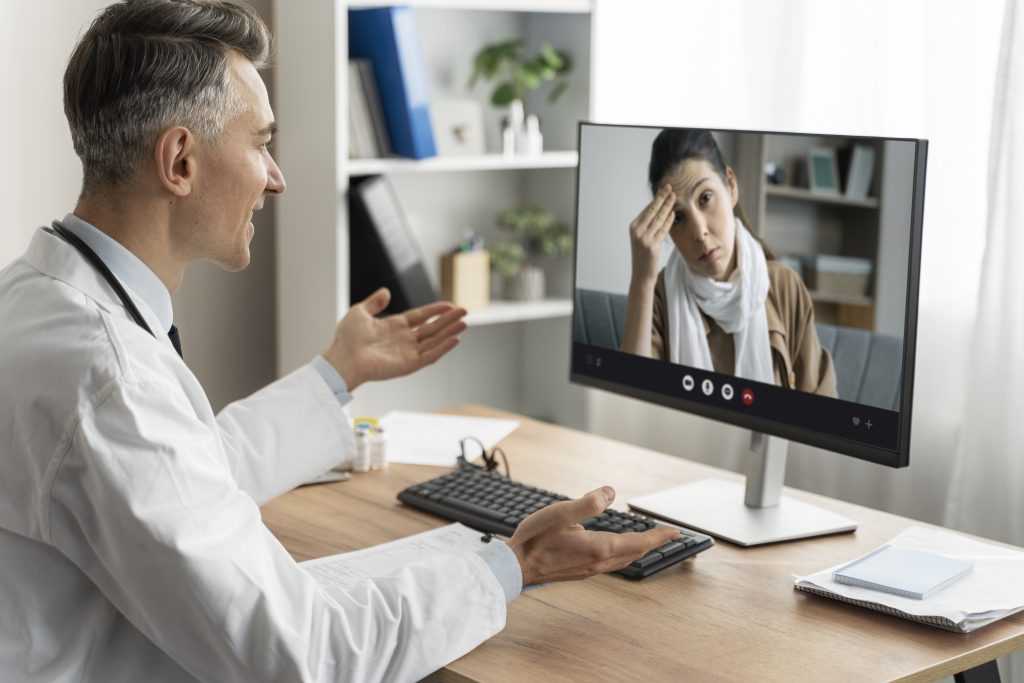
Telemedicine is the delivery of healthcare services to patients through telecommunication technologies such as telephone and the internet. This concept does not require in-person visits. It is mainly preferred for medical consultations, diagnosis, treatment, and follow-up care. Through this care model, healthcare services can be delivered remotely in specific areas like mental health therapy, chronic disease management, and urgent care.
During telemedicine, real-time interactions between patients and healthcare professionals occur. For these interactions, video conferencing, phone calls, and other communication tools can be used. However, only licensed and authorized healthcare professionals are permitted to provide care through telecommunication.
Benefits of Telemedicine
This care model is beneficial for patients in rural or underserved locations where access to healthcare facilities is limited. These patients can remotely connect with physicians by using telecommunication technologies, overcoming geographical barriers that hinder access to essential medical services. In short, telemedicine makes care more accessible.
In addition to improved access to care, the concept saves time and offers greater convenience; patients can receive consultations from home via telemedicine services, this also reduces travel time, waiting times at healthcare facilities, and time away from work or other responsibilities.
Beyond time savings, the model is also cost-efficient for both patients and healthcare providers, reducing transportation expenses from home to healthcare facilities, minimizes unnecessary hospital visits, and contributes to more efficient use of healthcare resources.
By limiting in-person visits, the concept helps reduce exposure to contagious diseases. The benefit is significantly witnessed during the COVID-19 pandemic. Moreover, it supports ongoing patient monitoring and follow-up visits, improving chronic disease management and post-treatment care.
What is Virtual Care?
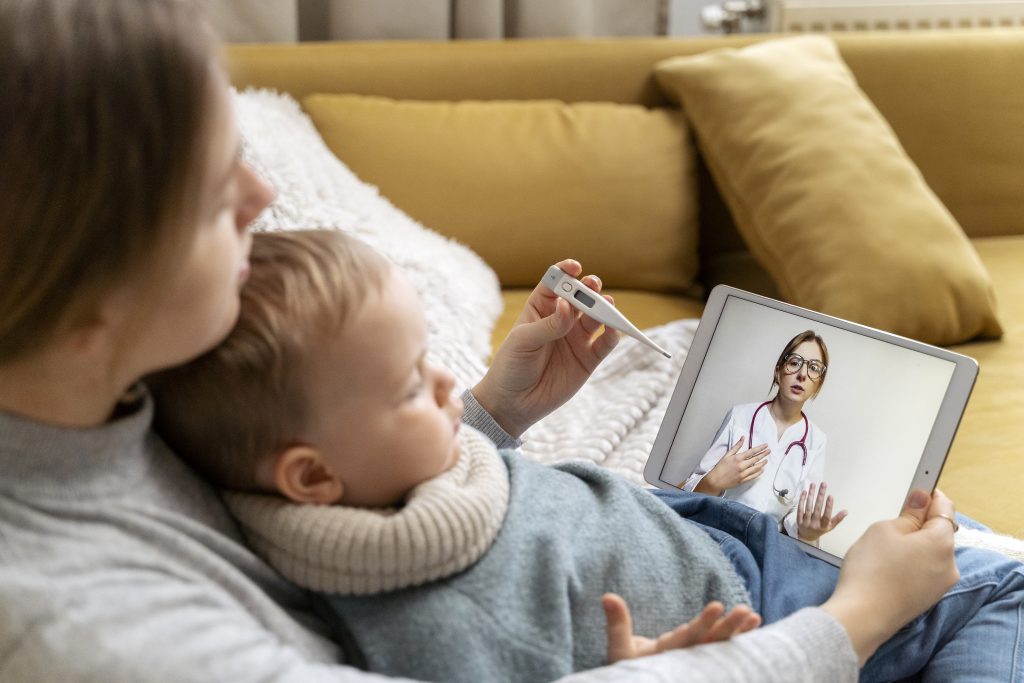
Virtual care is a broader model than telemedicine; this concept goes beyond clinical consultations by encompassing both clinical and non-clinical services like video calls, text-based communication, remote patient monitoring, mobile health (mHealth) applications, wearable health devices, patient portals, and more.
This technology-enabled approach allows patients to receive care remotely while managing their health journey actively. By focusing on patient-centric, continuous, and integrated care, it supports disease prevention, effective treatment, better communication between patients and healthcare professionals.

Benefits of Virtual Care
Virtual care extends beyond live video consultations, so patients can benefit from a range of digital health services such as health tracking, remote patient monitoring, and secure messaging. This broad structure helps healthcare providers address patient needs more comprehensively, efficiently, and consistently.
This concept keeps patients actively involved in their care beyond traditional appointments with continuous monitoring and preventive health strategies. Hence, it supports better long-term health outcomes.
Healthcare providers and professionals can gain real-time insights about patients’ conditions through data from wearable devices and mHealth apps. This continuous data flow contributes to more informed clinical decision-making, enabling more personalized and proactive treatment plans.
Virtual care also allows patients to share updates or concerns with their physicians at any time via asynchronous communication methods like secure messaging. Then, clinicians can review the information and respond when appropriate. This fosters a strong patient-physician relationship while reducing the need for immediate appointments.
Different healthcare professionals can share information and collaborate with each other seamlessly by utilizing virtual care. Accurate and timely data exchange enhances care coordination and improves patient experience, particularly for patients with chronic conditions who require input from multiple specialists.

Key Differences Between Telemedicine and Virtual Care
Differences between telemedicine and virtual care can be categorized by scope, technology, communication, and coordination:
- Scope of Services: Telemedicine mainly provides direct healthcare services like virtual healthcare professional visits, diagnosis, and treatment. On the other hand, virtual care comprises telemedicine as well as remote patient monitoring, health tracking, digital messaging with physicians, and preventive care services. This difference shows that virtual care is more comprehensive than telemedicine.
- Technology Use: Telemedicine utilizes video calls and phone consultations for real-time communication between patients and healthcare professionals. On the other hand, virtual care uses multiple technologies such as wearable devices, patient portals, mHealth apps, and data analytics platforms. The variety of technologies makes virtual care a more expansive approach to healthcare delivery, supporting ongoing patient engagement and health management.
- Communication Methods: Telemedicine depends on synchronous communication, so patients and physicians must be available at the same time. In contrast, virtual care uses both live, real-time interaction and asynchronous communication; the model allows patients to share information at any time and receive responses later. Hence, the former requires scheduled remote appointments, while the latter reflects a more flexible, continuous approach to patient-professional interaction.
- Care Coordination: Telemedicine usually includes interactions with a single healthcare professional for a specific medical issue. On the other hand, virtual care improves care coordination across different professionals and providers via data exchange, offering a more integrated healthcare experience.

Conclusion
The answers for ‘‘What is telemedicine?’’ and ‘‘What is virtual care?’’ reveal that telemedicine is a subset of virtual care. These two models are transforming healthcare delivery together.
As part of virtual care, our digital health solutions from Clinical Viewer 360 to Personal Health Record (PHR) streamline clinical and administrative workflows. You can explore more about our patient-centric and innovative solutions by clicking here.
Let’s shape the future together with digital health technologies!