


Insights
How Does Digitization Transform Pharmaceutical Supply Chain Management?
Pharmaceutical supply chains are among the most complex networks, encompassing numerous stakeholders such as manufacturers, distributors, pharmacies, regulators, and healthcare providers. Traditional pharmaceutical supply chains rely on manual processes, fragmented data, and limited visibility. This often causes counterfeiting, drug shortages, and misallocation of crucial medications. In recent years, digitization has emerged as a powerful solution to increase security, efficiency, and transparency in pharmaceutical supply chain management. In this blog, we explore digitalization in pharma and its impact on pharmaceutical supply chain management.
Current Challenges in Pharmaceutical Supply Chains
A pharmaceutical supply chain can encounter different challenges such as disruptions, counterfeiting, and insufficient visibility. These interconnected issues are major problems in today’s pharmaceutical supply chain management efforts.
Supply Chain Disruptions
Pharmaceutical supply chain disruptions are the interruptions in the flow of goods, information, and financial resources that delay or stop drug availability. These disruptions may arise from heavy reliance on specific geographies for active pharmaceutical ingredients. Also, events such as natural disasters, pandemics, and wars can impact the flow. Logistical bottlenecks, including port congestion and air freight shortages, along with regulatory shutdowns of manufacturing facilities, further compound the risk.
Disruptions in the pharmaceutical supply chain can bring drug shortages, especially for critical medicines such as antibiotics and cancer drugs, leading to significant patient-level consequences like delayed treatment. Beyond patient safety, disruptions drive up costs through scarcity-driven price increases and expedited shipping, placing additional pressure on already strained healthcare systems.

Counterfeit and Substandard Drugs
When an ineffective pharmaceutical track and trace approach is implemented, counterfeit and substandard drugs can easily enter the supply chain. According to the World Health Organization (WHO), substandard and falsified medical products affect a lot of people worldwide, and at least 1 in 10 medicines in low- and middle-income countries are substandard or falsified. These medicines can contain wrong, harmful, or no active ingredients at all. Counterfeit and substandard drugs pose a significant global health risk because they can increase morbidity and mortality. Beyond the direct impact on patient health, they undermine trust in healthcare systems and pharmaceutical brands while generating significant financial losses for legitimate manufacturers and distributors.
Limited Visibility and Traceability
Limited visibility and transparency means difficulty in tracing and tracking a medicine’s location, its condition, and its authenticity across the pharmaceutical supply chain. This challenge typically stems from fragmented data systems across supply chain partners, the absence of standardized data sharing protocols between countries and organizations, and low adoption of technologies such as serialization.
Without real-time visibility, counterfeit or substandard drugs are difficult to identify promptly. Also, the drug recall process can become inefficient, and poor inventory management, involving overstocking and stockouts, might emerge.
The Role of Digitization in Pharmaceutical Supply Chain Management
Digitalization in pharma is fundamentally transforming pharmaceutical supply chains, shifting them from fragmented and reactive networks to connected, data-driven, and proactive ecosystems. By integrating technologies such as serialization, real-time monitoring platforms, and AI-driven analytics, digital solutions in pharma measure improvements across every dimension of supply chain management. The following sections outline the four key advantages this transformation enables.

End-to-End Traceability
End-to-end traceability establishes a unified view of the supply chain, enhancing transparency. This enables monitoring pharmaceuticals from production to patients. At its core, digitization enables serialization: the assignment of a unique identifier, typically encoded as a 2D Data Matrix or QR code on the product packaging, to every individual drug unit. Each movement of that unit is recorded in connected digital systems, building a comprehensive audit trail.
Through end-to-end traceability, stakeholders gain complete visibility into each drug's movement history. Additionally, this advantage contributes to faster, targeted drug recalls while preventing unauthorized distribution.
Real-Time Data and Visibility
Digitalization in pharma connects systems, devices, and stakeholders to deliver real-time updates across the entire pharmaceutical supply chain. For instance, certain digital platforms aggregate pharmaceutical data from multiple stakeholders, while some dashboards show actionable insights regarding the supply chain.
Real-time data and visibility offered by digital solutions in pharma supports immediate detection of delays and disruptions. In addition, they can contribute to cold chain integrity especially critical for temperature-sensitive products such as vaccines and biologics. Furthermore, these solutions facilitate demand forecasting and inventory planning. Instead of reacting late, stakeholders can act timely through real-time and accurate data.

Enhanced Security
Digitization ensures that both medicines and their associated data are protected, traceable, and verifiable at every stage, enhancing security across the supply chain. Digital solutions in pharma allow that each drug package with a unique identifier can be scanned to confirm authenticity. At the same time, encryption and access controls protect sensitive pharmaceutical information.
Digital tools transform pharmaceutical supply chains from vulnerable, fragmented networks into secure and tightly controlled ecosystems. This builds patient and stakeholder trust while enabling real-time detection of risks.
Operational Efficiency
Digital solutions in pharma drive operational efficiency by automating time-consuming manual processes and enabling AI-powered decision-making across the supply chain. Digital documentation replaces paper-based workflows, reducing administrative burden and the risk of human error. Meanwhile, data-driven tools optimize demand forecasting, route planning, and inventory allocation, allowing supply chain managers to do more with less.
The cumulative impact is significant: lower operational costs, faster order fulfillment and delivery, fewer errors, and more accurate inventory management. In short, digitization makes the pharmaceutical supply chain not just faster, but fundamentally more reliable and resilient.
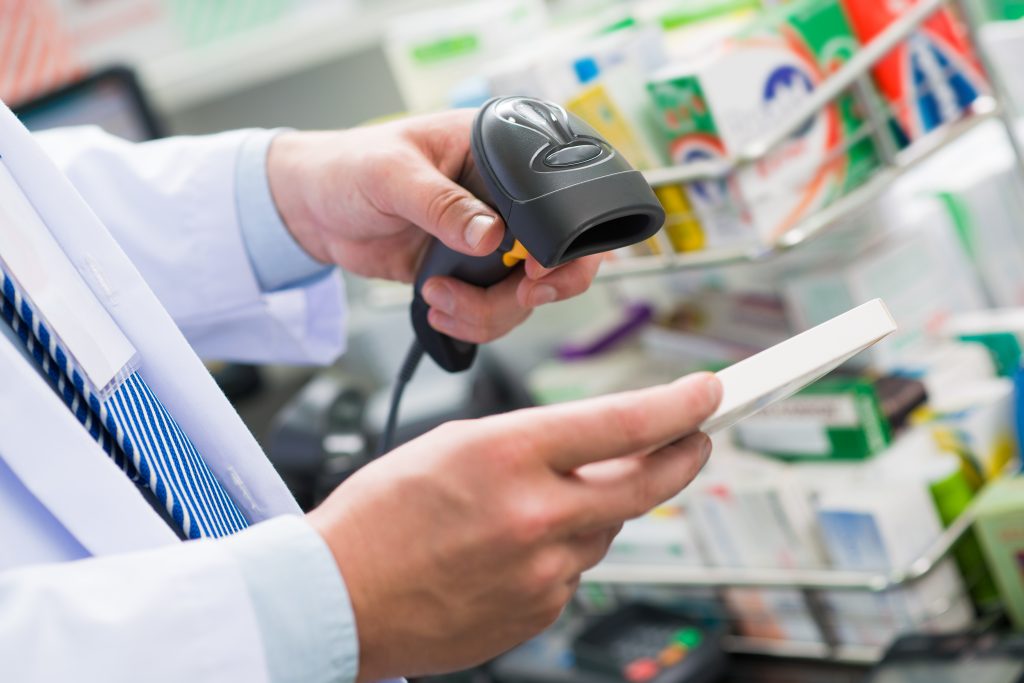
Improved Pharmaceutical Traceability with DrugXafe – Pharmaceutical Track & Trace System
Our award-winning Pharmaceutical Track & Trace System, DrugXafe, strengthens pharmaceutical supply chain management effectively. By tracking and tracing serialized medicines via 2D Data Matrix at every stage, from manufacturer to patient, this digital solution creates a continuous, end-to-end chain of custody.
Through DrugXafe, stakeholders always know medicines’ locations and their stock levels. This real-time monitoring capability enables efficient stock management and helps reduce supply chain disruptions, preventing shortages and improving planning. This system ensures continuous drug availability even during events such as natural disasters and pandemics.
DrugXafe also serves as a powerful line of defense against counterfeit and substandard pharmaceuticals. By verifying each product at every supply chain node and blocking duplicate or invalid serial numbers, it eliminates visibility gaps and shuts out fraud and illegal trade. Targeted, efficient drug recalls become possible when needed. Ultimately, DrugXafe empowers stakeholders to build pharmaceutical supply chains that are secure, transparent, and above all, safe for patients.
Final Words
Digitization transforms pharmaceutical supply chain management through solutions such as pharmaceutical track and trace system and data analytics. Digital solutions in pharma like our DrugXafe - Pharmaceutical Track & Trace System enable visibility into drug movement, ensure the authenticity and safety of medicines, and empower stakeholders to respond promptly to disruptions and risks. In conclusion, digitization increases patient safety and supports the development of more resilient pharmaceutical supply chains.
Let’s shape the future together by digitizing pharmaceutical supply chain management, as always!