

Insights
Does Wearable Technology Improve Health?
Electronic devices worn on the body are gaining popularity rapidly in recent years. These devices, known as wearable technology, combine sensors, software, and wireless connectivity to collect data and offer personalized suggestions.
Several factors accelerate the adoption of wearable technology. For instance, people are paying more attention to their health, and wearables allow them to track daily steps, monitor heart rate, measure sleep quality, and estimate burned calories. These features make understanding and improving lifestyles easier. Additionally, wearables support early detection of potential issues by continuously monitoring health indicators such as blood glucose and stress levels. As wearable technology becomes an increasingly important part of modern healthcare, exploring its applications and impact is essential. In this blog, we focus on widely used wearables and their effects on personal health management.
Examples of Wearable Technologies
There are different wearable devices designed for supporting health management. Smartwatches, fitness trackers, smart rings, continuous glucose monitors, and hearing aids are the most common examples:
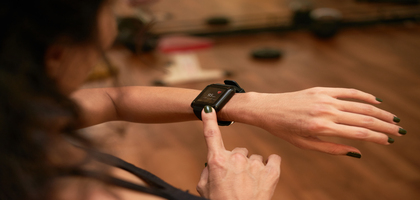
- Smartwatch: As one of the most popular smart wearables, a smartwatch functions as an extension of a smartphone. This device tracks heart rate, physical activity, sleep, and more. Also, it can display notifications, make calls, and support contactless payments. Users wear it like a traditional watch and access their personal health data via a mobile application on their phones.
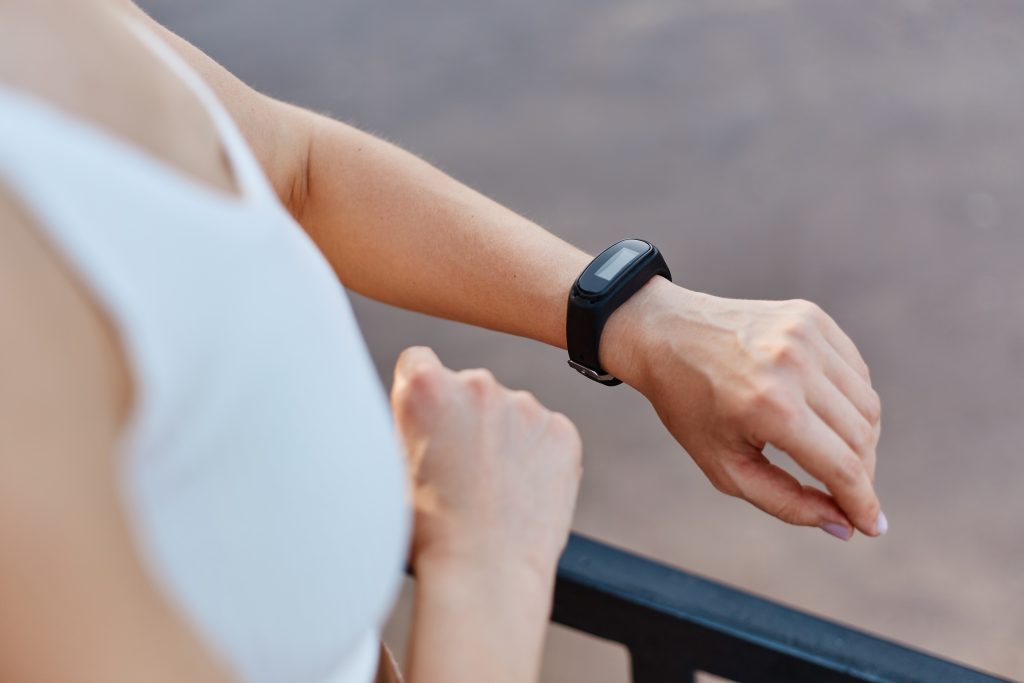
- Fitness tracker: Like smartwatches, fitness trackers are also worn on the wrist. This device monitors physical activity and overall wellness by counting steps, estimating calories burned, and measuring distance traveled. It helps users achieve their daily fitness goals through companion mobile apps.
- Smart ring: As a compact wearable technology, smart rings provide many of the same features as smartwatches in a smaller form. It can track sleep quality, heart rate, body temperature, and activity levels.
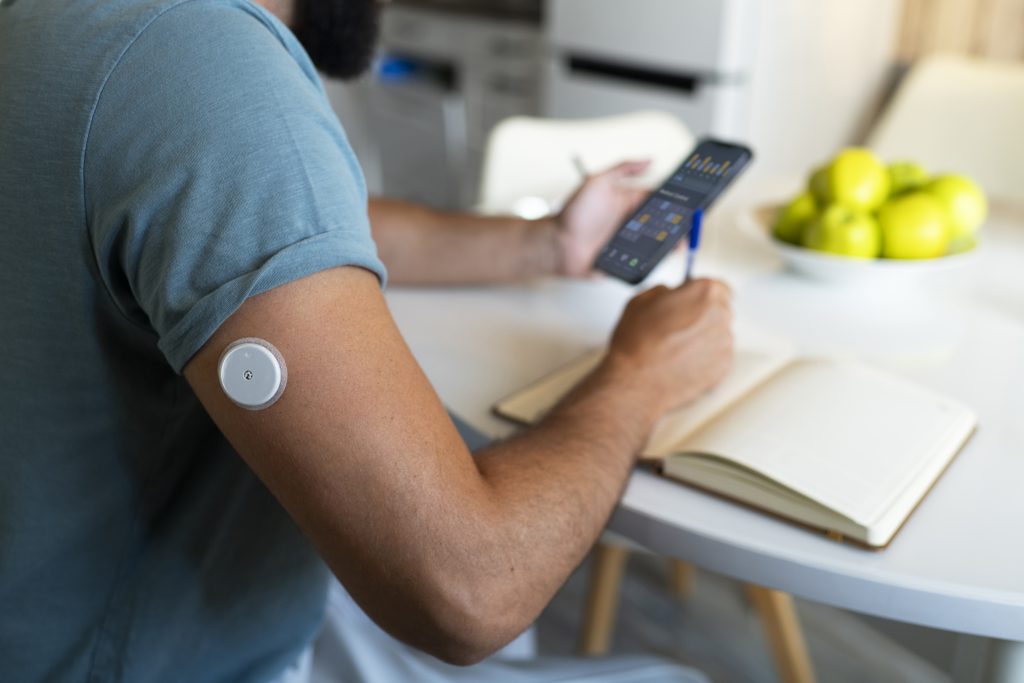
- Continuous glucose monitor: This is a medical wearable that continuously measures glucose levels throughout the day and night by using a small sensor placed under the skin. It helps people with diabetes monitor blood sugar in real time and make informed decisions about diet, exercise, and medication.
- Hearing aid: Modern hearing aids amplify sounds and improve hearing for individuals with hearing loss. Many new hearing aids use artificial intelligence (AI) and wireless connectivity.
 How Does Wearable Technology Affect Health?
With advanced sensors, AI, and wireless communication, smart wearables offer a wide range of benefits. These technologies fit naturally into everyday life by combining health monitoring, convenience, and personalization.
Encouraging Physical Activity
Wearable device users can monitor their daily activities such as steps taken and active minutes easily, which motivates them to stay physically active. Many devices also provide personalized goals, reminders to move after long periods of inactivity, and achievement badges.
Monitoring Health
Wearable technology continuously tracks various health indicators. Depending on the device, users can monitor heart rate, blood oxygen levels, body temperature, stress levels, and sleep patterns. This real-time data helps users better understand their overall health and recognize changes that might require medical attention.
Supporting Chronic Disease Management
People with chronic conditions like diabetes, heart disease, and hypertension can effectively benefit from smart wearables. For example, continuous glucose monitors allow individuals with diabetes to track blood sugar throughout the day and night, while smartwatches can monitor heart rhythm and blood pressure. Thanks to continuous health data from wearables, users and healthcare professionals make more informed decisions for chronic disease management and detect potential complications earlier.
Preventing and Detecting Falls
Modern wearable devices feature fall detection technology that can recognize sudden impacts or unusual movements associated with a fall. If a serious fall is detected, these devices can automatically send an alert to emergency services or designated family members. This benefit is particularly valuable for older adults and people with mobility or balance issues, improving their safety and peace of mind.
Improving Sleep Quality
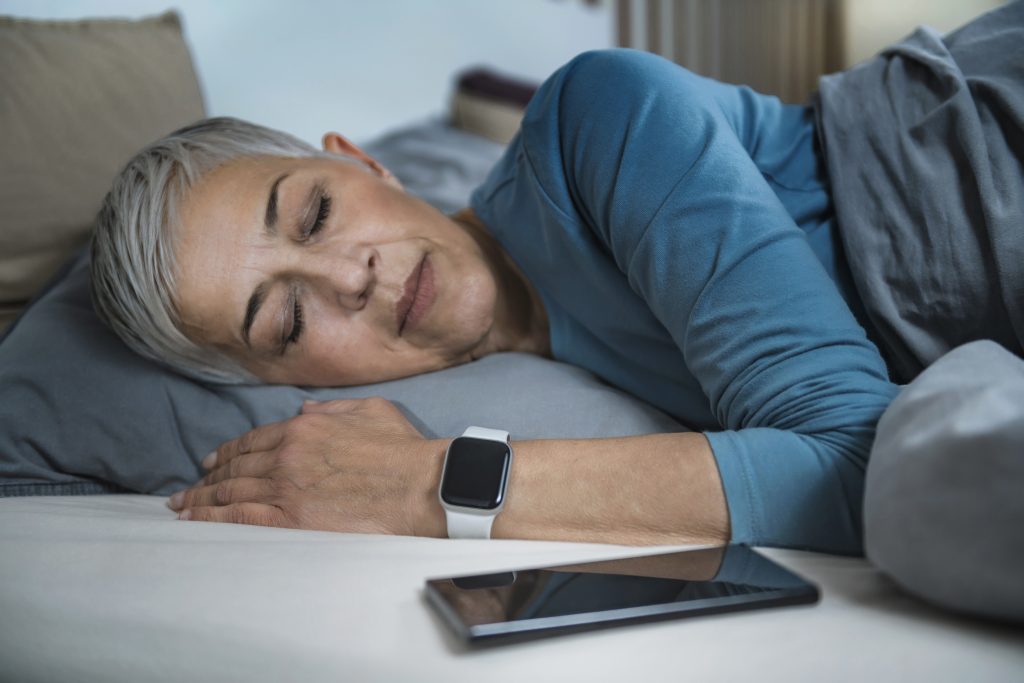
Smart wearables support understanding and improving sleep routine and quality by monitoring sleep duration, sleep stages, and nighttime movement. These devices offer daily sleep reports and personalized recommendations such as maintaining a consistent bedtime or reducing screen time before bed. Users can develop healthier sleep habits and improve their well-being through insights from wearable devices.
Limitations of Wearable Technology
While wearable technology has many benefits, it also reflects some limitations that should be considered by users:
- Data privacy and security: Wearable devices collect large amounts of personal information such as health data, location, and daily activity patterns. If the data is not protected appropriately, it could be vulnerable to cyberattacks, unauthorized access, and misuse by third parties.
- Limited accuracy: Improper device placement, sweat, movement, or poor sensor contact can compromise wearable measurements like heart rate, calorie burn, and blood oxygen levels.
- Comfort and usability: Some users find these devices uncomfortable to wear for long periods, especially while sleeping or exercising. Moreover, wearables may cause skin irritation, discomfort from tight straps, or limitations during water activities or high-intensity exercise.
- Limited medical capability: Wearables cannot diagnose diseases or replace healthcare professionals. The information they collect should be viewed as supportive rather than definitive.
- Data overload and misinterpretation: Large amounts of health and fitness data from wearables can sometimes be confusing for users. Without proper understanding, individuals might misinterpret normal changes as serious health problems. Also, they may become overly focused on constantly monitoring their metrics. This can lead to unnecessary anxiety and excessive reliance on the device instead of professional advice from physicians.
- Dependence on smartphones and internet connectivity: Many wearables rely on smartphones or internet connectivity for full functionality. While they can perform basic tasks independently, features like data synchronization, software updates, and notifications often require a paired smartphone and internet access.

Conclusion
Wearable technology in healthcare transforms personal health management through continuous health monitoring and early detection of potential health issues. These devices provide both patients and healthcare professionals with valuable real-time data. Wearables will continue to play an increasingly important role in preventive healthcare, personalized medicine, and improving patient outcomes.
Let’s shape the future together through wearable health technologies, as always!