


Insights
The Future of Home Care Services and Technologies
The World Health Organization (WHO) reported that the number of people aged 60+ exceeds the number of children under 5 globally in 2020. The agency stated that 1 in every 6 people worldwide will be aged 60 years or older by 2030. These statistics show that the world is aging rapidly. At the same time, the WHO emphasizes that chronic diseases are responsible for 74% of all deaths worldwide. As older adults live longer while managing one or more chronic conditions, the demand for continuous, personalized, and long-term healthcare is increasing. These demographic and epidemiological trends raise the need for home care services. In this blog, we explore the advantages of these services and advanced technologies in home care.
Why Is Home Care Becoming More Important?
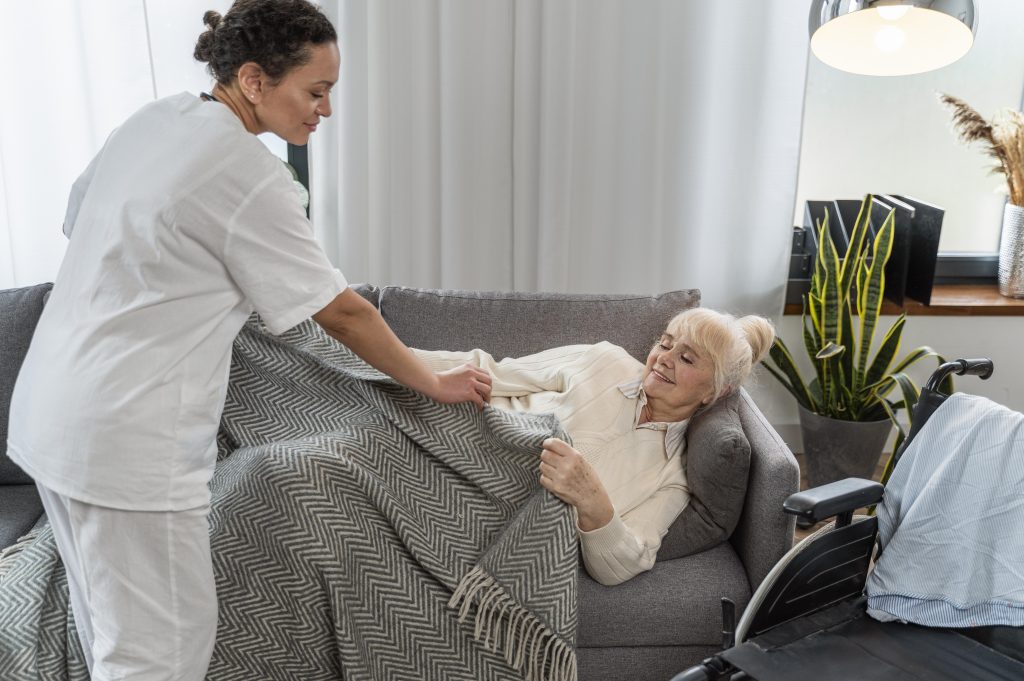
Home care is the delivery of healthcare and supportive services in patients’ homes rather than in hospitals. It includes different services such as skilled nursing, medication administration, chronic disease management, and remote patient monitoring. Its main goal is to provide patient-centered, high-quality care while enabling people to feel more comfortable and safer in their homes. It is becoming important for several reasons day by day:
- Rapid population aging: As life expectancy increases, and birth rates decline in many countries, the number of older adults is growing rapidly. Many of these adults live with chronic diseases like diabetes and hypertension, and these conditions require continuous care. Elderly patients generally prefer to remain in their homes instead of transitioning to institutional long-term care facilities. This allows them to age in place, so home care solutions become prominent.
- Increasing burden of chronic conditions: In addition to older individuals, younger populations can be affected by chronic conditions. These patients should receive ongoing monitoring and long-term care. Home care services meet this need by enabling continuous disease management while allowing patients to maintain their daily routines without leaving their familiar environments.
- Cost-effective alternative to institutional care: Care at home is often less expensive than prolonged hospitalization or residential nursing care. By reducing hospital admissions, shortening hospital stays, and preventing unnecessary emergency visits, home care helps lower healthcare costs for both patients and healthcare systems.
- Patient comfort and independence: Receiving treatment in the comfort of their own home can improve quality of life, emotional well-being, and patient satisfaction. Home care services allow patients to maintain their functional independence and daily autonomy.
- Opportunities for early intervention: Healthcare professionals can detect changes in patient condition before they become serious through regular home visits and remote monitoring. Early identification supports timely interventions that reduce complications and prevent avoidable hospitalizations.
Advanced Technologies in Home Care
The following digital health technologies play a central role in modern home care.
Remote Patient Monitoring
Remote patient monitoring (RPM) includes the use of connected medical devices and wearable sensors to continuously or periodically collect patients’ health data from their homes. This technology commonly monitors blood pressure, heart rate, blood glucose, oxygen saturation, body temperature, weight, and physical activity.
The data collected by RPM are securely transmitted to healthcare professionals, allowing them to monitor patients’ health status in real time and identify abnormal trends. This technology is particularly valuable for managing chronic conditions and supporting long-term care at home.

Telehealth and Virtual Consultations
Telehealth is the delivery of healthcare services through communication technologies such as video conferencing, telephone calls, and secure messaging. Virtual consultation is a subset of telehealth, referring to real-time medical appointments conducted via video or phone calls.
This technology allows patients to communicate with physicians, nurses, and other healthcare professionals without traveling to healthcare facilities. It improves healthcare accessibility for older adults, individuals with mobility limitations, and patients living in rural or underserved areas. Home care generally uses telehealth and virtual consultations for routine follow-up, medication management, mental health services, rehabilitation sessions, and patient education.
Artificial Intelligence
Artificial intelligence (AI) plays an increasingly important and innovative role in home care technology; it supports clinical decision-making, automates routine tasks, and provides personalized recommendations.
AI algorithms analyze large volumes of patient data collected from wearables, electronic health records, and remote monitoring systems to identify patterns that may indicate health deterioration. By enabling predictive analytics and early intervention, AI increases the efficiency of home healthcare and reduces the workload of healthcare professionals.
Smart Home Technologies
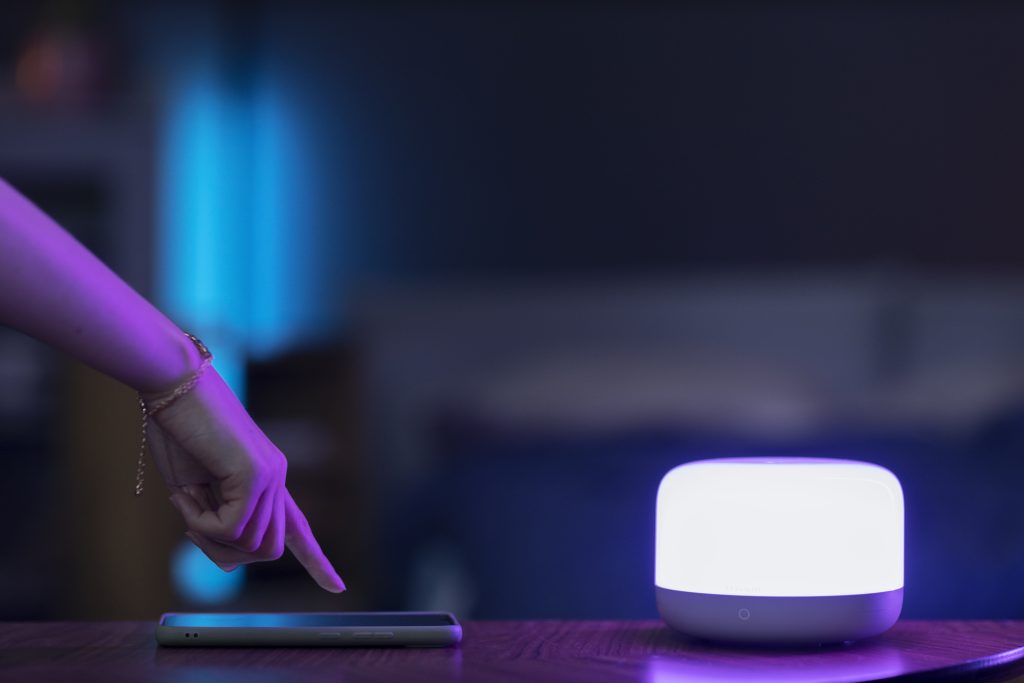
Smart home technologies refer to Internet of Things (IoT) devices, sensors, and automated systems. These solutions can form a safer living environment for patients receiving home care. For example, fall detection systems automatically alert caregivers and emergency services when a sudden change in movement indicates a potential injury. Furthermore, smart medication dispensers, smart lighting, and voice-activated assistants are frequently used in home care.
Conclusion
Despite its many benefits, home care comes with several important challenges. Shortages of healthcare professionals might affect the ability to provide timely and consistent home care. Moreover, many patients, especially older adults, may struggle to use digital health technologies. In addition to these obstacles, interoperability issues, the lack of reimbursement policies, and data privacy concerns are other challenges of this approach. Addressing these challenges is essential to ensure that home care remains safe, effective, accessible, and sustainable as demand continues to grow.
Let’s shape the future together through innovative home care technologies, as always!